August 21, 2026
Roadside emergencies can happen without warning, whether they involve a flat tire, mechanical failure, dead battery, or collision. In these stressful situations, many drivers focus solely on getting back on the road, but tow truck operators must also think about protecting everyone at the scene. Every roadside stop presents unique risks, especially on busy highways where passing traffic can create dangerous conditions within seconds. Understanding what tow truck drivers experience can help motorists make safer decisions and reduce unnecessary hazards.
Professional towing companies respond to countless roadside calls every day, giving them firsthand knowledge of the situations that place drivers and emergency responders at risk. By following simple safety practices and working cooperatively with roadside professionals, drivers can help create a safer environment for everyone involved.
Why Is Understanding Roadside Safety Crucial?
Roadside safety is important because vehicles stopped on the shoulder remain vulnerable to passing traffic. Even when hazards appear under control, distracted driving, poor visibility, weather conditions, and excessive speed can quickly turn a routine breakdown into a serious accident.
One of the biggest mistakes drivers make is underestimating how fast traffic moves near disabled vehicles. Standing too close to moving traffic, attempting repairs in unsafe conditions, or exiting a vehicle without assessing surroundings can significantly increase the chance of injury.
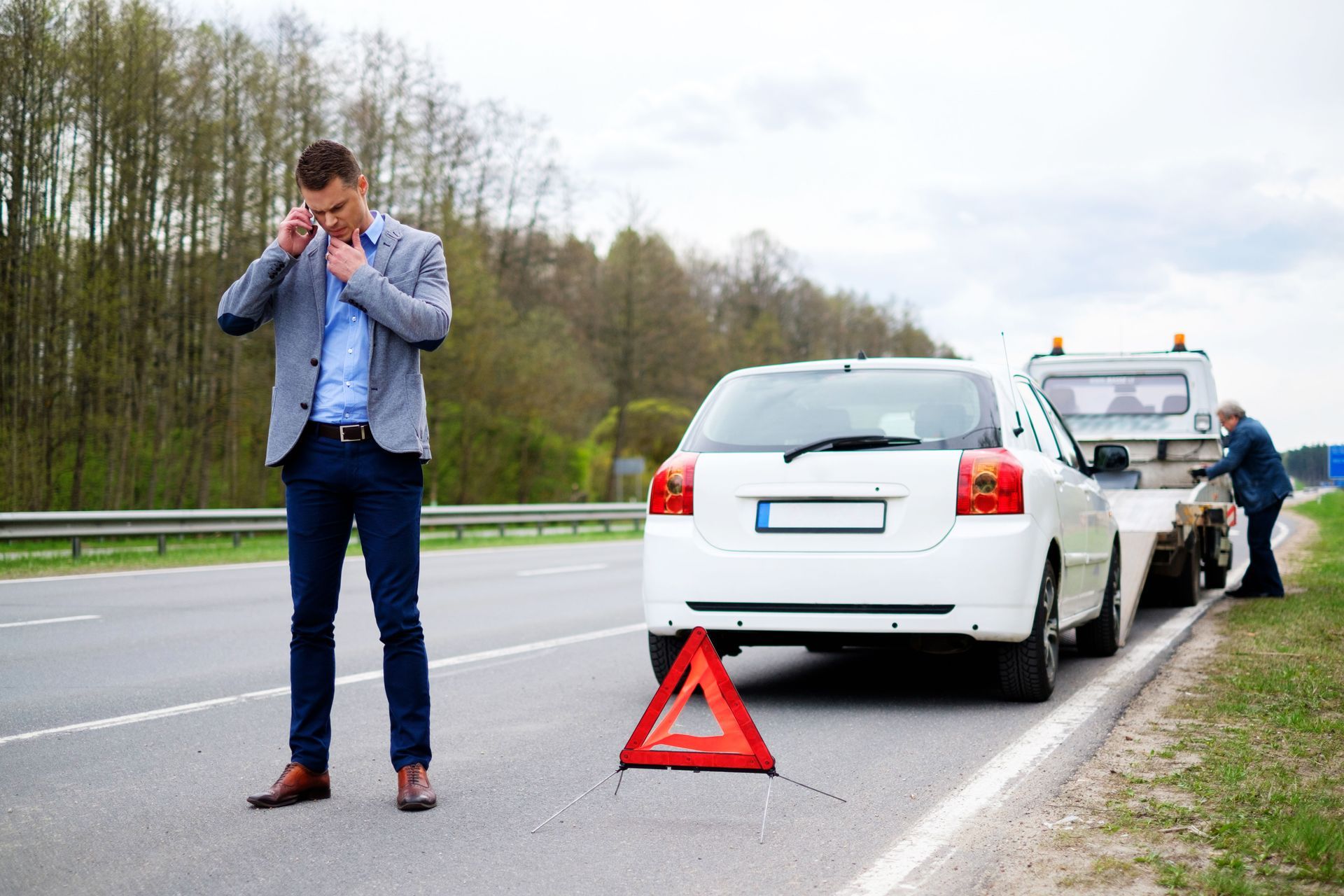
Many towing companies encourage motorists to think about safety before thinking about repairs. If a vehicle can safely be moved farther from traffic, doing so often provides a much safer working environment. When moving the vehicle is impossible, drivers should activate their hazard lights immediately and remain aware of surrounding traffic.
Roadside safety also depends on visibility. Reflective triangles, emergency flashers, and properly functioning vehicle lights help alert approaching drivers that someone is stopped ahead. The sooner other motorists recognize a roadside emergency, the more time they have to slow down or move over safely.
How Do Towing Companies Ensure Safety During Operations?
Safety is a central part of every service call. Before recovering or transporting a vehicle, tow truck operators carefully evaluate traffic conditions, road surfaces, weather, vehicle damage, and potential hazards. Their goal is to complete the job efficiently while minimizing risk to themselves and others nearby.
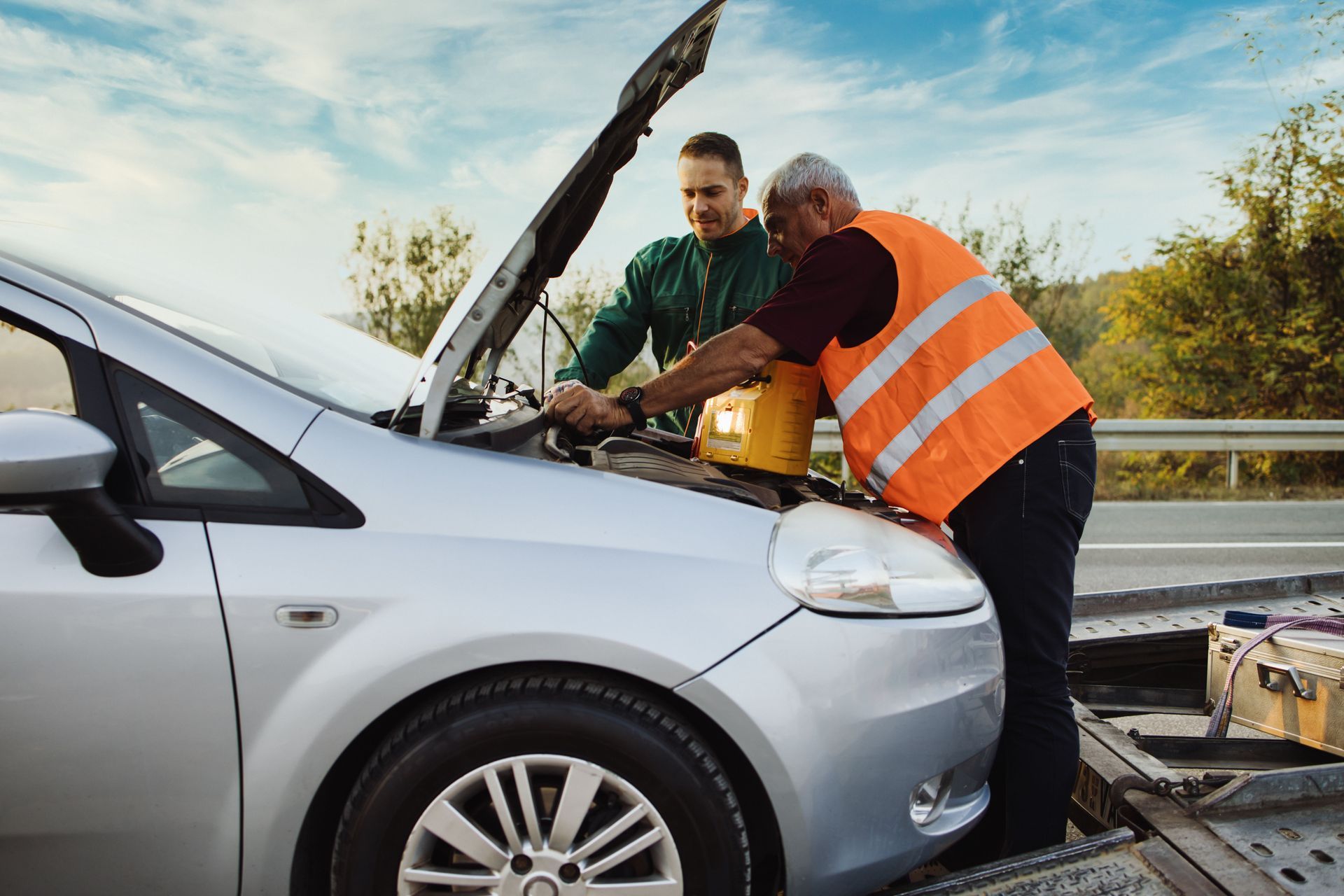
Modern towing companies invest in equipment designed to improve roadside safety. High-visibility lighting, reflective markings, traffic cones, wheel lifts, winches, and specialized recovery equipment all help operators perform their work while remaining visible to approaching traffic.
Operators also receive training on vehicle recovery techniques, traffic management, and proper equipment operation. Every situation is different, requiring quick decisions based on vehicle size, location, and surrounding hazards.
Communication plays an equally important role. Tow truck drivers often coordinate with law enforcement, emergency responders, and motorists to establish a safe work zone before beginning recovery efforts. This coordination helps prevent confusion and keeps everyone informed throughout the process.
According to LookUp A Plate, the average tow in the United States ranges between 10 and 40 miles. Because many service calls involve relatively short transport distances, operators often respond to numerous roadside incidents throughout a single shift, making consistent safety procedures essential during every stop.
Weather conditions add another layer of complexity. Rain, snow, ice, and fog reduce visibility while increasing stopping distances for approaching vehicles. Experienced towing companies adjust their operations accordingly by positioning equipment carefully and using additional warning devices whenever necessary.
What Are Common Misconceptions About Tow Truck Drivers?
Tow truck operators frequently encounter misconceptions about their profession. While many people only interact with them during stressful situations, the work extends far beyond simply transporting disabled vehicles.
One common misconception is that tow truck drivers arrive slowly because they are taking their time. In reality, traffic congestion, weather conditions, accident scenes, and multiple service requests often influence arrival times. Drivers are typically balancing safety with efficiency rather than rushing into potentially hazardous conditions.
Another misunderstanding is that towing consists only of hooking up a vehicle and driving away. Many recoveries require technical expertise, particularly when vehicles have been involved in collisions, become stuck off-road, or suffer severe mechanical damage. Operators must determine the safest recovery method while avoiding additional damage to the vehicle.
Some people also assume tow truck drivers work independently without significant training. In fact, many towing companies emphasize ongoing education covering recovery techniques, safety regulations, equipment operation, and customer service. Continuous training helps operators adapt to changing vehicle technologies and roadside challenges.
There is also a misconception that roadside work is relatively safe because flashing lights alert other drivers. Unfortunately, emergency lighting does not eliminate risk. Distracted driving remains a major concern, and tow truck operators routinely work only a few feet away from fast-moving traffic.
How Can Drivers Safely Interact With Tow Truck Drivers?
Motorists play an important role in maintaining roadside safety. Small actions can make a significant difference in protecting everyone present during a roadside emergency.
When a tow truck arrives, drivers should follow the operator's instructions carefully. These instructions are based on traffic conditions, vehicle positioning, and the safest way to complete the service. Even if a request seems inconvenient, it is usually intended to reduce risk.
Whenever possible, stay inside your vehicle if it is safely positioned away from traffic. If remaining inside is unsafe, move to a secure location well away from moving vehicles and wait for further guidance.
Providing accurate information also improves safety. Clearly describing your vehicle's location, condition, and any unusual circumstances allows towing companies to dispatch the appropriate equipment and prepare for potential hazards before arriving.
Drivers should avoid standing between vehicles, walking into active traffic lanes, or attempting to assist with equipment unless specifically instructed. Recovery equipment operates under significant force, and maintaining a safe distance protects everyone involved.
What Should You Do in a Roadside Emergency?
Knowing how to respond during a roadside emergency can improve safety from the moment a problem occurs.
If possible, carefully guide your vehicle to the shoulder or another safe location away from traffic. Turn on your hazard lights immediately to increase visibility for approaching drivers.
Remain calm and evaluate your surroundings before exiting the vehicle. If traffic conditions make exiting dangerous, staying inside with your seatbelt fastened may be the safest option until help arrives.
Contact roadside assistance or reputable towing companies and provide your exact location, vehicle description, and the nature of the problem. Clear communication helps responders locate you quickly and arrive with appropriate equipment.
If it is safe to do so, place reflective warning triangles behind your vehicle according to manufacturer recommendations. These warning devices give approaching drivers additional notice that they need to slow down or change lanes.
Avoid attempting repairs on busy highways unless they can be completed safely and quickly. Even simple tasks like changing a tire can become dangerous when traffic is moving at highway speeds nearby.
Keep emergency supplies in your vehicle throughout the year. Items such as bottled water, blankets, jumper cables, flashlights, portable phone chargers, and basic first aid supplies can make waiting for assistance much more comfortable and safer.
Roadside emergencies are stressful, but they do not have to become dangerous. Understanding the challenges tow truck operators face helps drivers make safer decisions before, during, and after a breakdown. From moving over for emergency vehicles to following operator instructions and maintaining awareness of surrounding traffic, every action contributes to a safer roadside environment.
Tow truck drivers work in unpredictable conditions where visibility, traffic, weather, and driver behavior all influence safety. By respecting their expertise and cooperating during roadside incidents, motorists help create safer conditions for themselves, roadside workers, and everyone sharing the road. Working together with experienced towing companies ultimately reduces risk and promotes safer travel for all. If you're looking for a tow, reach out to the dedicated team at Garrett’s Towing & Recovery, LLC is here for you!